
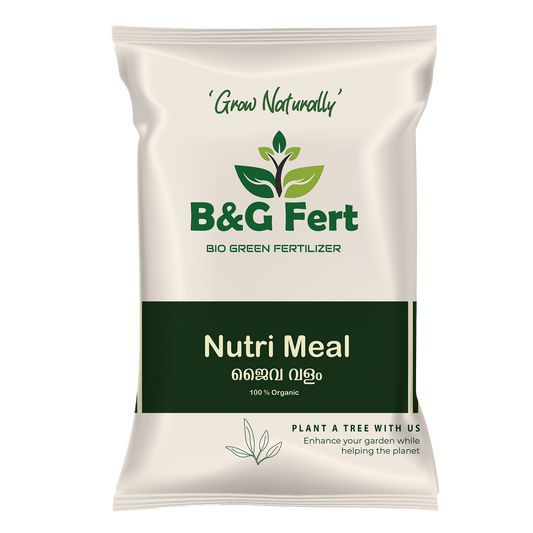
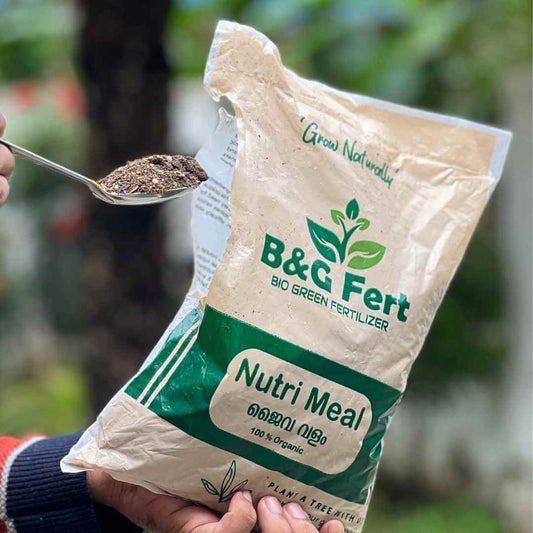

Signs Your Plants Need Fertilizer and What to Use
Healthy plants don’t just depend on sunlight and water—they need proper nutrition to grow, bloom, and stay resilient. When plants lack essential nutrients, they begin to show visible signs. Understanding these signals early and applying the right fertilizer can restore plant health and prevent long-term damage.
This guide will help you identify nutrient deficiency symptoms and choose the most effective fertilizer for each problem.
Why Plants Need Fertilizer
Over time, soil loses nutrients due to regular watering, plant uptake, and environmental factors. Even high-quality soil cannot provide all nutrients indefinitely.
Fertilizers replenish these nutrients and support:
-
Healthy leaf growth
-
Strong root systems
-
Better flowering and fruiting
-
Improved resistance to pests and diseases
Without proper nutrition, plant growth slows and productivity drops.
Common Signs Your Plants Need Fertilizer
1️⃣ Yellowing Leaves (Especially Older Leaves)
What it means:
Nitrogen deficiency
Symptoms:
-
Pale green or yellow leaves
-
Slow growth
-
Weak stems
What to use:
-
Nitrogen-rich fertilizers
-
Vermicompost
-
Balanced NPK fertilizers
💡 Nitrogen supports leafy growth and overall plant vigor.
2️⃣ Poor Flowering or No Blooms
What it means:
Phosphorus deficiency
Symptoms:
-
Few or no flowers
-
Delayed blooming
-
Weak root development
What to use:
-
Phosphorus-rich fertilizers
-
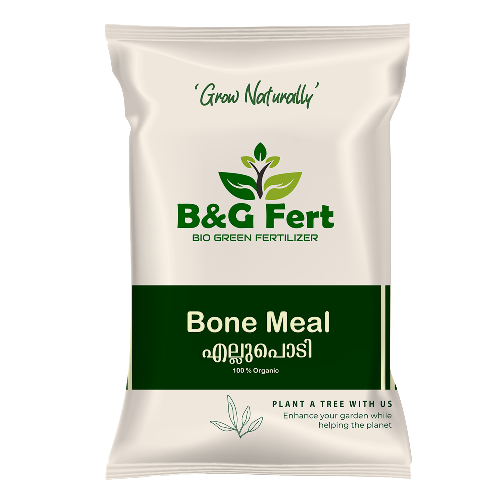
Bone meal
-
Flower-boosting organic fertilizers
3️⃣ Brown Leaf Edges or Tips
What it means:
Potassium deficiency
Symptoms:
-
Leaf edge browning
-
Curling or drying of leaves
-
Poor fruit quality
What to use:
-
Potassium-rich fertilizers
-
Organic potash sources
-
Balanced NPK blends
4️⃣ Slow or Stunted Growth
What it means:
Overall nutrient deficiency or poor soil health
Symptoms:
-
Small leaves
-
Thin stems
-
Lack of new growth
What to use:
-
Complete organic fertilizers
-
Soil conditioners
-
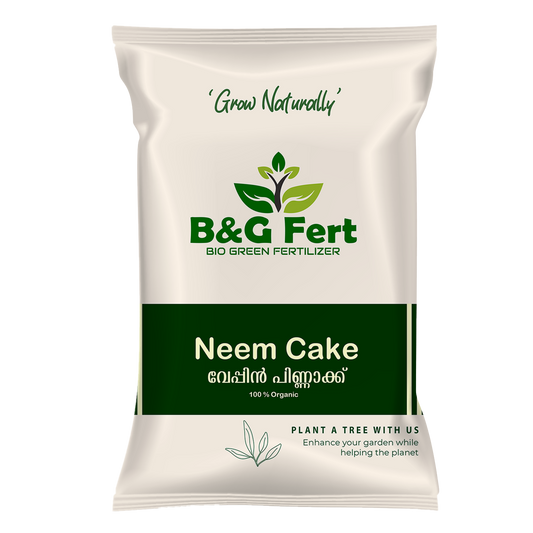
Neem cake + compost mix
5️⃣ Yellowing Between Leaf Veins
What it means:
Micronutrient deficiency (Iron or Magnesium)
Symptoms:
-
Veins remain green
-
Leaf tissue turns yellow
What to use:
-
Micronutrient mixtures
-
Foliar sprays
-
Organic mineral supplements
6️⃣ Weak Roots and Plant Wilting
What it means:
Phosphorus or calcium deficiency
Symptoms:
-
Plants wilt despite watering
-
Poor root development
What to use:
-
Root-strengthening fertilizers
-
Bone meal
-
Calcium-rich organic inputs
Organic vs Chemical Fertilizers: What Should You Choose?
Organic Fertilizers
✔ Improve soil structure
✔ Release nutrients slowly
✔ Safe for long-term use
✔ Ideal for home gardens
Examples: Neem cake, vermicompost, farmyard manure
Chemical Fertilizers
✔ Fast nutrient availability
✔ Useful for severe deficiencies
⚠ Must be used carefully
For best results, use a balanced combination with a focus on organic inputs.
How to Apply Fertilizer Correctly
-
Always water plants before fertilizing
-
Apply fertilizer near the root zone
-
Follow recommended dosage
-
Avoid fertilizing during extreme heat
-
Observe plant response after application
Correct application ensures better nutrient absorption and prevents plant stress.
Common Fertilizing Mistakes to Avoid
-
Over-fertilizing (causes leaf burn)
-
Using the same fertilizer for all plants
-
Ignoring soil condition
-
Fertilizing dry or stressed plants
Proper diagnosis before application saves both plants and money.
When Should You Fertilize Plants?
-
During active growth stages
-
Before flowering and fruiting
-
After heavy rainfall
-
When visible deficiency symptoms appear
Avoid fertilizing dormant or stressed plants.
Grow Healthier Plants With Better Nutrition
Plants communicate their needs through visible signs. Recognizing these signs early and choosing the right fertilizer ensures strong growth, vibrant leaves, and abundant blooms.
At Better Gardenings, we offer trusted solutions that nourish your soil and plants naturally—helping you grow better every season.
Tags:
Previous
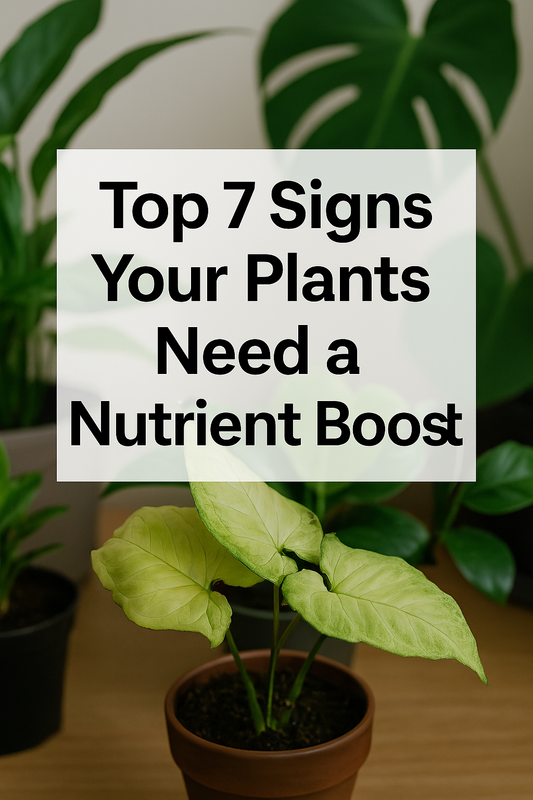
Top 7 Signs Your Plants Need a Nutrient Boost
Next
Neem Cake Fertilizer: Uses, Benefits & How to Apply
Related articles
Top 7 Signs Your Plants Need a Nutrient Boost
Apr 30 2025
The Ultimate Guide to Eco-Friendly Fertilizers
Apr 18 2025

The Importance of a Home Garden
Mar 27 2025